Crypto. Blockchain. NFT. Web3. Metaverse. Digital assets. These are probably words you have come across at least once on the internet and in recent years, have consistently been gaining in popularity. What exactly do they mean? And how is it impacting the world, the people and the economy?
Digital assets are essentially what the name means. Assets, such as content, resources, art and even money, that can be stored digitally. This means that basically everyone owns at least one piece of digital asset. That’s right, even images, videos, files, audio and the likes on your mobile phone or computer counts as a digital asset.
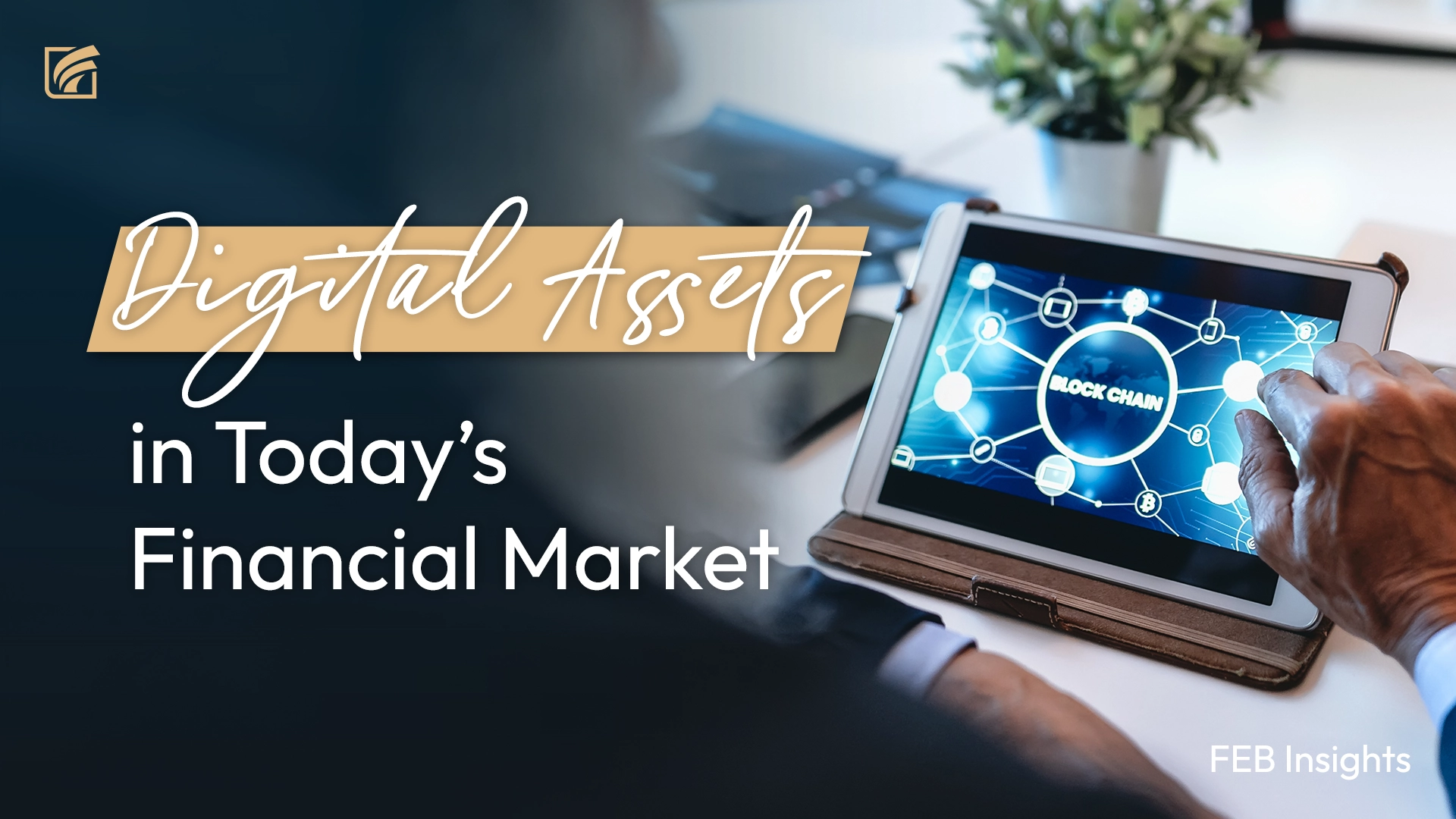
Though in today’s world, digital assets come to be more known as assets that are issued and transferred using blockchain technology without a centralized authority.
Much like the COVID-19 pandemic where digital disruption FinTechs were on the rise, blockchain technology is now rising and will continue to develop over the years to allow functions that were previously not available such as cross-border payments, and the ability to take advantage of the high speed and low transaction costs of digital assets.
In today’s financial world, the defining features of asset-backed stablecoins (such as USDC and USDT), their security, programmability as well as versatility of use is set to have the potential to drive innovation beyond the current use cases mainly used in the cryptocurrency markets. With this new technology, the world will start to see more innovation in payment systems, the rise of tokenized markets which will increase transaction speeds and transparency while reducing trading costs, third-party risks and other previous barriers to participation.
The concurrent use of fiat and asset-backed stablecoins at Finext Eastern Bank would mean that clients who are not entirely exposed to the new age of finance would not feel especially intimidated by the use of digital currencies, but would still be able to make use of the functionalities and benefits of blockchain technology. This is especially important for cross-border or large in bulk transactions, which may take several days to clear and carry high fees. We understand that these fees and delays are a burden for small to medium sized enterprises who are focused on their bottom line in order to grow their business.
With every new age, comes new technology that will only continue to make processes cheaper, simpler and more secure. Businesses are always finding better ways to make payments and handle finances with new technologies. In this new age, it’s blockchain.
Not sure how to get started? Contact us for a no-obligation consultation: [email protected]